

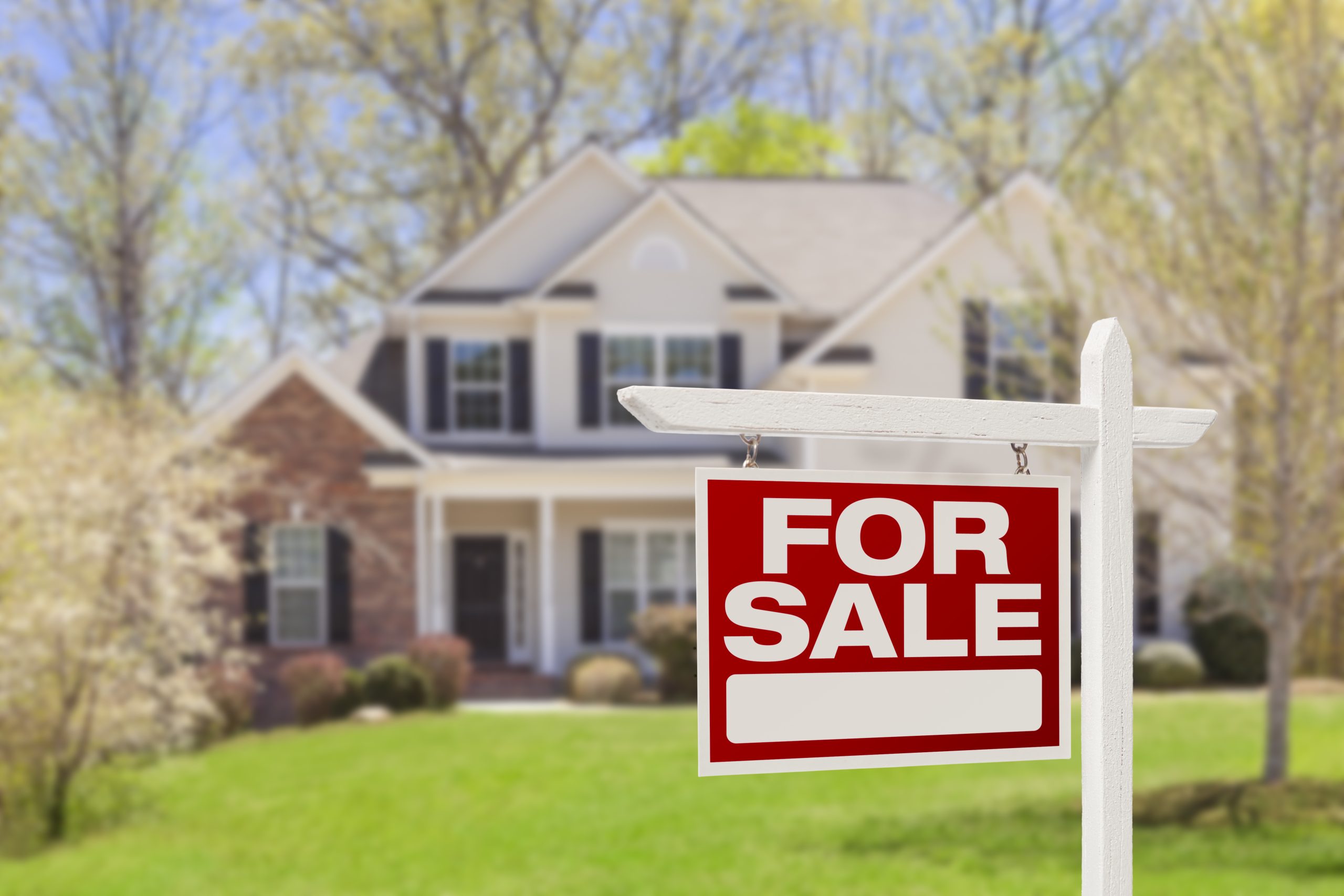
Selling a Home in Knox County, Ohio
Selling a home involves more than putting a property online and waiting for an offer.
The decisions made before your home reaches the market—pricing, preparation, presentation and marketing—can influence how buyers respond once the listing goes live.
I'm Nathanael Finneran, a Realtor with CENTURY 21 HomeStar, helping homeowners throughout Knox County prepare, market and sell their properties.
Whether you're selling a home in Mount Vernon, a lake property at Apple Valley, a house in Fredericktown or Centerburg, a property near Gambier, or a rural home with acreage around Howard or Danville, my approach begins with understanding the property and your goals.
Then we build a selling strategy around both.
Thinking about selling? Call or text me at (740) 324-0457 to start with a conversation about your property.
Selling Real Estate in Knox County
Knox County isn't one uniform housing market.
A home in a Mount Vernon neighborhood shouldn't necessarily be marketed the same way as an Apple Valley lake property.
A house on a village lot in Fredericktown may compete with different properties than a home on ten acres outside Danville.
And a rural property with a barn, woods, pasture or other improvements requires buyers to understand much more than the home's bedroom count and square footage.
That's why my first step isn't simply choosing a list price.
It's understanding what you're selling, who is most likely to buy it and how your property compares with the alternatives available to those buyers.
Step 1: Start With Your Goals
Before discussing photography or putting a sign in the yard, I want to understand why you're selling.
Are you:
- moving to another part of Ohio?
- relocating out of state?
- buying another home locally?
- downsizing?
- selling an inherited property?
- selling a rental or investment property?
- moving from acreage into town?
- selling before purchasing your next home?
- trying to coordinate two transactions?
Your timeline and priorities affect how we approach the sale.
A seller who needs to close before purchasing another property may need a different strategy from someone who has already moved and is selling a vacant home.
We'll begin by identifying those priorities so the listing strategy supports the larger move you're trying to make.
Step 2: Determine What Your Knox County Home Is Worth
Pricing is one of the most important decisions you'll make when selling.
The goal isn't to choose the highest number we can imagine.
It's to determine a price that makes sense based on the property, comparable sales, current competition and market conditions.
When evaluating your home, I'll look at factors such as:
- location
- property type
- condition
- square footage
- lot size or acreage
- bedrooms and bathrooms
- updates and renovations
- garages and outbuildings
- recent comparable sales
- competing homes currently for sale
- relevant pending sales when information is available
- market activity
Not every comparable property deserves equal weight.
A nearby home may have similar square footage but be in substantially different condition. Two rural homes may sit on similar acreage but have very different land, barns or improvements. Pricing requires context.
Wondering What Your Knox County Home Is Worth?
Online estimates can be a useful starting point, but they don't always account for a property's condition, improvements, acreage, outbuildings, location or other features. Contact me and I'll prepare a property-specific market analysis using relevant recent sales and current competition.
Call or text Nathanael at (740) 324-0457
Tax Value Isn't the Same as Market Value
One common question from sellers is whether the value shown by the Knox County Auditor determines what their property is worth.
It doesn't determine the price at which you must list or sell your home.
County valuations are used for property-tax purposes, while the real-estate market reflects what buyers are willing to pay for a particular property under current conditions.
The Knox County Auditor itself identifies recent comparable sales and Realtor market information among the sources that can help indicate real-property value.
When preparing your pricing analysis, I'll focus on the current market for your property, not simply the number appearing on the county record.
→ Search Knox County Property Records
Step 3: Prepare the Home Before It Hits the Market
Not every property needs a major renovation before selling.
In many cases, smaller improvements can make a meaningful difference in how buyers perceive a home.
Before listing, we'll walk through the property and discuss which items deserve attention.
That may include:
- cleaning
- decluttering
- removing excess personal items
- improving lighting
- touching up paint
- completing minor repairs
- improving curb appeal
- organizing storage areas
- cleaning exterior surfaces
- addressing obvious maintenance issues
The goal isn't to make your home look as though nobody lives there.
It's to help buyers see the property clearly and imagine how the space could work for them.
Should You Renovate Before Selling?
Sometimes an improvement makes sense.
Sometimes it doesn't.
Spending $20,000 on a project doesn't automatically add $20,000 to the sale price.
Before making a major improvement solely for resale, we should consider:
- the home's current condition
- likely buyer expectations
- competing properties
- the cost of the project
- how long the work will take
- whether the improvement addresses a significant objection
- whether selling without the renovation may produce a better overall outcome
I would rather discuss a project with you before you spend the money than tell you afterward that buyers may not value it as highly as you expected.
Step 4: Build the Marketing Around the Property
A listing should do more than prove that the property exists.
It should help buyers understand why they should consider it.
That means identifying the features that distinguish your property and making those features easy to understand online.
Depending on the home, the marketing may emphasize:
- location
- layout
- renovations
- outdoor living
- acreage
- barns or workshops
- wooded land
- lake access
- waterfront
- proximity to local amenities
- historic character
- garage or storage space
- views
- recreational features
The marketing strategy should fit the property rather than forcing every listing into the same template.
Professional Presentation Matters
Most buyers will encounter your home online before they ever step through the front door.
That makes presentation important.
Strong listing photography should clearly show the home, layout and major selling features.
Depending on the property and marketing plan, additional presentation may include appropriate exterior photography, aerial imagery, floor-plan information or other media that helps buyers understand the property.
The listing description should also provide useful information rather than simply repeat facts already visible in the MLS.
The objective is straightforward:
Make it easy for the right buyers to understand what makes the property worth seeing.
Online Exposure for Your Knox County Listing
Once your property is listed, it should be positioned for exposure to buyers actively searching the market.
The MLS serves as a central part of that distribution, with listing information then appearing across consumer real-estate websites and brokerage platforms according to applicable syndication arrangements.
My marketing also benefits from the CENTURY 21 brand and brokerage network.
But exposure alone isn't enough.
A property can appear on many websites and still be poorly marketed if the pricing, photography or property information fails to connect with buyers.
Distribution gets the listing in front of people.
Presentation gives them a reason to care.
Selling a Home in Mount Vernon
Mount Vernon contains a wide range of housing—from historic homes and established neighborhoods to newer properties and homes near the edges of the city.
When selling in Mount Vernon, we'll identify the most relevant comparable properties and the characteristics buyers are likely to compare.
→ Explore Mount Vernon Ohio Real Estate
Selling a Home at Apple Valley
Apple Valley requires additional attention because buyers aren't evaluating only the house.
They may also be considering lake access, property location, AVPOA membership, current assessments and community rules.
Waterfront, lake-view and off-water properties can also appeal to different buyers and shouldn't automatically be evaluated as though they are interchangeable.
If you're selling at Apple Valley, the listing should clearly communicate the property's relationship to the lake and the features that matter to buyers considering the community.
→ Explore Apple Valley Ohio Real Estate
Selling a Home in Fredericktown
Fredericktown sellers may be competing with properties inside the village as well as rural homes and acreage surrounding it.
The property's setting, lot, outbuildings and proximity to the village can all affect which comparable properties are most useful.
→ Explore Fredericktown Ohio Real Estate
Selling a Home in Centerburg
Centerburg's location in southern Knox County can place properties within consideration for buyers looking throughout the village, surrounding rural area and broader southern Knox County market.
We'll evaluate your home based on the property itself and the alternatives buyers are actually considering.
→ Explore Centerburg Ohio Real Estate
Selling a Home in Gambier
Gambier has a distinctive identity associated with Kenyon College, the historic village and surrounding countryside.
Properties within or near the village can differ substantially from larger rural properties outside it, making careful comparable selection particularly important.
→ Explore Gambier Ohio Real Estate
Selling a Home in Howard
Howard includes rural properties as well as homes associated with the broader Apple Valley area.
A Howard mailing address alone doesn't necessarily describe the property's setting, so the marketing needs to make that distinction clear.
→ Explore Howard Ohio Real Estate
Selling a Home in Danville
Danville and eastern Knox County include village homes, agricultural properties and rural homes with acreage.
For properties outside the village, land, outbuildings and other rural features may become significant parts of both pricing and marketing.
→ Explore Danville Ohio Real Estate
Selling a Knox County Home With Acreage
Acreage properties require more than simply adding the number of acres to the listing.
Buyers may want to understand:
- how much land is open versus wooded
- barns and outbuildings
- pasture and fencing
- ponds or streams
- workshops
- parcel configuration
- road frontage
- well and septic information
- agricultural uses
- CAUV status when applicable
- recreational features
Those characteristics can substantially affect how buyers perceive a property.
When possible, the listing should help buyers understand the land as well as the house.
→ Explore Knox County Homes With Acreage
Step 5: Launch the Listing
Once the home is prepared and the marketing materials are ready, we'll establish the listing details and launch strategy.
Before going live, I'll work to make sure important property information is accurate and that the listing presents the home clearly.
After launch, we'll monitor:
- showing activity
- buyer interest
- feedback when available
- competing listings
- new comparable sales
- changes in the local market
A listing strategy shouldn't become frozen on day one.
If the market gives us meaningful information, we'll discuss it.
Step 6: Showings
Once the property is active, qualified buyers and their agents may request showings.
We'll establish a showing process that balances accessibility with your circumstances as the seller.
Generally, making a home reasonably easy to show can help reduce missed opportunities.
Before a showing, simple steps can help:
- straighten the home
- open blinds or curtains when appropriate
- turn on lights
- secure valuables
- manage pets
- reduce distracting odors
- keep major spaces accessible
Buyers should be able to concentrate on the house rather than the logistics of touring it.
Step 7: Reviewing Offers
The highest offer isn't automatically the best offer.
When an offer arrives, we'll review the complete proposal.
That may include:
- purchase price
- financing
- earnest money
- requested seller concessions
- inspection terms
- appraisal provisions
- proposed closing date
- possession
- contingencies
- included or excluded items
- other transaction-specific terms
I'll help you compare the financial and contractual differences so you can decide which offer best fits your priorities.
The final decision remains yours.
What Happens if You Receive Multiple Offers?
If multiple buyers submit offers, we'll discuss the available options and determine how you want to respond.
Depending on the circumstances, a seller might accept an offer, reject offers, counter an offer or establish another lawful strategy for handling the situation.
Price matters, but certainty and terms matter too.
For example, an offer with a higher purchase price could also contain financing, appraisal, inspection or closing terms that deserve careful consideration.
We'll compare the offers as complete packages rather than looking only at the number at the top.
Step 8: Inspections & Negotiations
After accepting an offer, the buyer may have contractual rights to conduct inspections or other due diligence.
Depending on the property and contract, inspections might involve the home itself or specific components such as:
- radon
- well
- septic
- wood-destroying insects
- chimney
- structural concerns
- other specialized systems
An inspection doesn't automatically mean the seller must agree to every request a buyer makes.
If the buyer submits a request under the terms of the contract, we'll review it, discuss your options and respond according to your goals and contractual obligations.
Ohio Residential Property Disclosure
Ohio law generally requires sellers of qualifying residential property to complete a Residential Property Disclosure Form, subject to statutory exceptions.
The disclosure is based on the seller's actual knowledge of the property and asks about various systems and conditions.
It's important to complete required disclosures carefully and truthfully.
A disclosure form isn't a substitute for a buyer's inspections, but sellers should not intentionally conceal known material defects.
If you're unsure how a legal disclosure requirement applies to your specific situation, appropriate legal guidance may be necessary.
Step 9: The Appraisal
If the buyer is obtaining financing, the lender may order an appraisal.
The appraiser develops an opinion of value for the lender using information about the property and relevant market data.
This is one reason pricing and offer evaluation matter from the beginning.
A high contract price doesn't guarantee the property will appraise at that amount.
If an appraisal issue arises, we'll review the contract, available comparable information and the options available to you under the transaction.
Step 10: Title, Closing & Possession
As the transaction moves toward closing, title work and lender requirements continue behind the scenes.
You'll receive information from the appropriate closing professionals regarding documents, figures and anything required from you.
Before closing, the buyer will typically conduct a final walkthrough according to the contract.
At closing, the necessary documents are executed and ownership is transferred according to the transaction terms.
Possession doesn't always occur at exactly the same moment as closing, so the purchase contract should clearly establish when the buyer is entitled to possession.
I'll help keep track of the transaction timeline from accepted offer through closing.
What Does It Cost to Sell a Home in Knox County?
Seller expenses vary from transaction to transaction.
Potential costs can include items such as:
- negotiated real-estate compensation
- title or closing expenses
- conveyance or recording-related charges
- property-tax prorations
- negotiated seller concessions
- agreed repairs
- mortgage or lien payoff amounts
- other transaction-specific expenses
Real-estate compensation is negotiable and should be clearly established in the listing agreement.
The Knox County Auditor currently states that the county's conveyance fee is $3 per $1,000 of sale price, but closing costs and government charges can change, so we'll use current transaction-specific figures when estimating your proceeds.
Before you list, I can help you develop an estimated seller net sheet so you're looking at more than just the projected sale price.
What Is a Seller Net Sheet?
A seller net sheet is an estimate of what you may receive from a sale after anticipated transaction expenses and mortgage payoff.
For example, we'll start with an estimated sale price and account for applicable expenses to produce an estimated net amount.
That can be particularly useful if the proceeds from this property will become the down payment on your next home.
It's still an estimate—the final figures come from the actual transaction and closing statement—but it gives you a more useful number for planning than sale price alone.
Should I Sell Before Buying My Next Home?
There isn't one correct answer for every seller.
Selling first may give you greater certainty about the proceeds available for your next purchase.
Buying first may reduce the pressure of finding another home immediately after selling, but it can introduce different financing or timing considerations.
Some transactions may involve contingencies, possession arrangements or other strategies.
We'll discuss your goals, financing and tolerance for risk before deciding which approach makes the most sense for you.
If you're also buying within Knox County:
→ Read My Buying a Home in Knox County Guide
Moving Out of Ohio?
If your sale is part of a relocation, planning the transactions together can be important.
I'm licensed in both Ohio and Florida, so if your move involves those two states, I understand the additional coordination that can arise when you're selling in one market and buying in another.
→ Moving Between Ohio & Florida
For moves elsewhere, I can still help you manage the Knox County sale and get you in touch with a trusted Realtor in your destination market.
Should I Sell My Home As-Is?
Selling “as-is” can make sense in some circumstances, but it doesn't automatically eliminate every seller obligation or prevent a buyer from investigating the property.
The right strategy depends on:
- condition
- price
- required repairs
- your timeline
- likely buyer pool
- financing considerations
- expected return from improvements
Before spending heavily—or deciding to do nothing—let's look at the property and discuss how buyers are likely to respond.
Common Home-Selling Mistakes to Avoid
Pricing Based on What You Need to Net
Your financial goals matter, but buyers compare your home with competing properties and recent sales.
The market doesn't know what you owe on the property or how much you need for the next house.
Overpricing to “Leave Room to Negotiate”
Negotiation room can be useful, but pricing substantially above the market may reduce buyer interest before negotiations ever begin.
Making Expensive Improvements Without a Plan
Not every renovation produces an equal return at resale.
Discuss major pre-listing projects before committing the money.
Ignoring the First Impression Online
Weak photos or incomplete listing information can lose buyers before they schedule a showing.
Hiding Known Problems
Known material issues should be handled honestly and in accordance with applicable disclosure requirements.
Looking Only at the Offer Price
Financing, contingencies, concessions, inspections, appraisal terms and closing timeline can materially affect an offer.
Waiting Until the Last Minute to Plan Your Move
Selling is easier when you already know what happens after closing.
Frequently Asked Questions About Selling a Home in Knox County
How do I find out what my Knox County home is worth?
A useful starting point is a comparative market analysis based on your property's characteristics, relevant recent sales and current competing listings. Automated online estimates and county tax values can provide data points, but they don't replace property-specific market analysis.
How long will it take to sell my home?
That depends on price, condition, location, property type, inventory, buyer demand, financing conditions and the terms you're willing to accept. Rather than promise a specific number of days, I'll show you the current market information relevant to your property.
Do I need to renovate before selling?
Not necessarily. Some homes benefit from targeted repairs or cosmetic improvements, while others may be better brought to market without major renovation. We should evaluate likely costs and benefits before you spend the money.
Should I get a pre-listing home inspection?
It can be useful in certain situations because it may identify issues before a buyer's inspection, but it isn't necessary for every seller. We can discuss the advantages and disadvantages based on your property's condition and circumstances.
Can you sell homes with acreage?
Yes. Rural homes and acreage require additional attention to land, barns, outbuildings, wells, septic systems, parcel configuration and other property-specific features.
→ Explore Knox County Homes With Acreage
Can you sell my Apple Valley home?
Yes. Apple Valley properties benefit from marketing that clearly explains the home's relationship to the lake, property type and relevant AVPOA considerations.
→ Explore Apple Valley Ohio Real Estate
Do I have to accept the highest offer?
No. As the seller, you generally decide which offer to accept, reject or counter subject to your contractual and legal obligations. Price is only one component of an offer.
What happens if the buyer's inspection finds problems?
Your options depend on the purchase contract and the buyer's request. We'll review the applicable terms and discuss your options before you respond.
What happens if my home doesn't appraise for the contract price?
The outcome depends on the contract and financing terms. The parties may have options involving price, additional buyer funds, appraisal review or other negotiations depending on the circumstances.
What should I do before meeting with you about selling?
You don't need to renovate or deep-clean the house before calling me. I would rather see the property before you make expensive decisions specifically for resale.
Can you help me buy another home after I sell?
Yes. If you're staying in Knox County or elsewhere in Central Ohio, we can coordinate your selling and buying plans so the two transactions work together as effectively as possible.
→ Read My Knox County Homebuyer's Guide
Thinking About Selling Your Knox County Home?
I'm Nathanael Finneran with CENTURY 21 HomeStar, helping homeowners throughout Knox County and Central Ohio.
I'm a Central Ohio native who began my real-estate career in Florida before becoming licensed in Ohio. Across my real-estate career, I've worked on more than 65 transactions representing over $21 million in combined sales.
When I list a property, my job isn't simply to put it into the MLS.
It's to help you make good decisions throughout the sale:
Pricing → preparation → presentation → marketing → offers → negotiations → inspections → appraisal → closing.
And I'll tell you what I think even when the answer isn't necessarily the easiest one—whether that's about price, a repair, an offer or something else affecting the transaction.
If you're considering selling in Knox County, you don't need to have everything figured out before contacting me.
We can start by talking about the property, your timeline and what you're trying to accomplish.
Nathanael Finneran
REALTOR® | CENTURY 21 HomeStar
Direct: (740) 324-0457


© 2026 MoxiWorks
© CENTURY 21 2023 - 2024. All rights reserved. CENTURY 21®, C21® and the CENTURY 21 Logo are registered service marks owned by Century 21 Real Estate LLC. Franchisee Legal Entity Name (not the dba) fully supports the principles of the Fair Housing Act and the Equal Opportunity Act. Each franchise is independently owned and operated. Any services or products provided by independently owned and operated franchisees are not provided by, affiliated with, or related to Century 21 Real Estate LLC nor any of its affiliated companies.
